
HIGHER EDUCATION CASE STUDY
Turning Caltech’s Waste Data Into Actionable Insights
Caltech’s waste program had grown into a complex network of internal waste streams, vendors, reporting cadences, and data formats across dozens of locations across campus. With WATS, the facilities and sustainability teams unified landfill, diversion, and avoidance streams into a single system of record - replacing manual spreadsheet work with searchable data, visual metrics dashboards, and insights to support reporting and operational decisions.
4%
Cost reduction identified
Business Type
Higher education institution
Business Details
65 buildings + locations across campus
Multiple vendors across landfill, organics, and specialty recycling
Internal diversion and avoidance programs (e.g., on-campus composting, reuse, donation initiatives)
Challenge
A rapid expansion of recycling and diversion programs brought complexity that was difficult to manage at scale.
New programs and vendors increased diversion, but campus-wide progress was hard to visualize consistently, especially with siloed waste streams within labs or specific buildings.
Program knowledge and operational context were siloed across teams and vendors.
Data arrived in inconsistent formats and timelines.
Tracking and reconciling details required manual work.
Leadership lacked timely visibility.
Solution
WATS transformed the university’s waste data from fragmented inputs into a centralized, structured system.
Unified the waste ecosystem
Consolidated landfill, organics, and specialty recycling across 65+ sites
Integrated internal programs (composting, reuse, donations) into one system
Standardized data across vendors, formats, and reporting cadences
Created a structured data model
Categorized waste into landfill, diversion, and avoidance
Enabled consistent tracking of cost, volume, and performance
Made data searchable, comparable, and usable across stakeholders
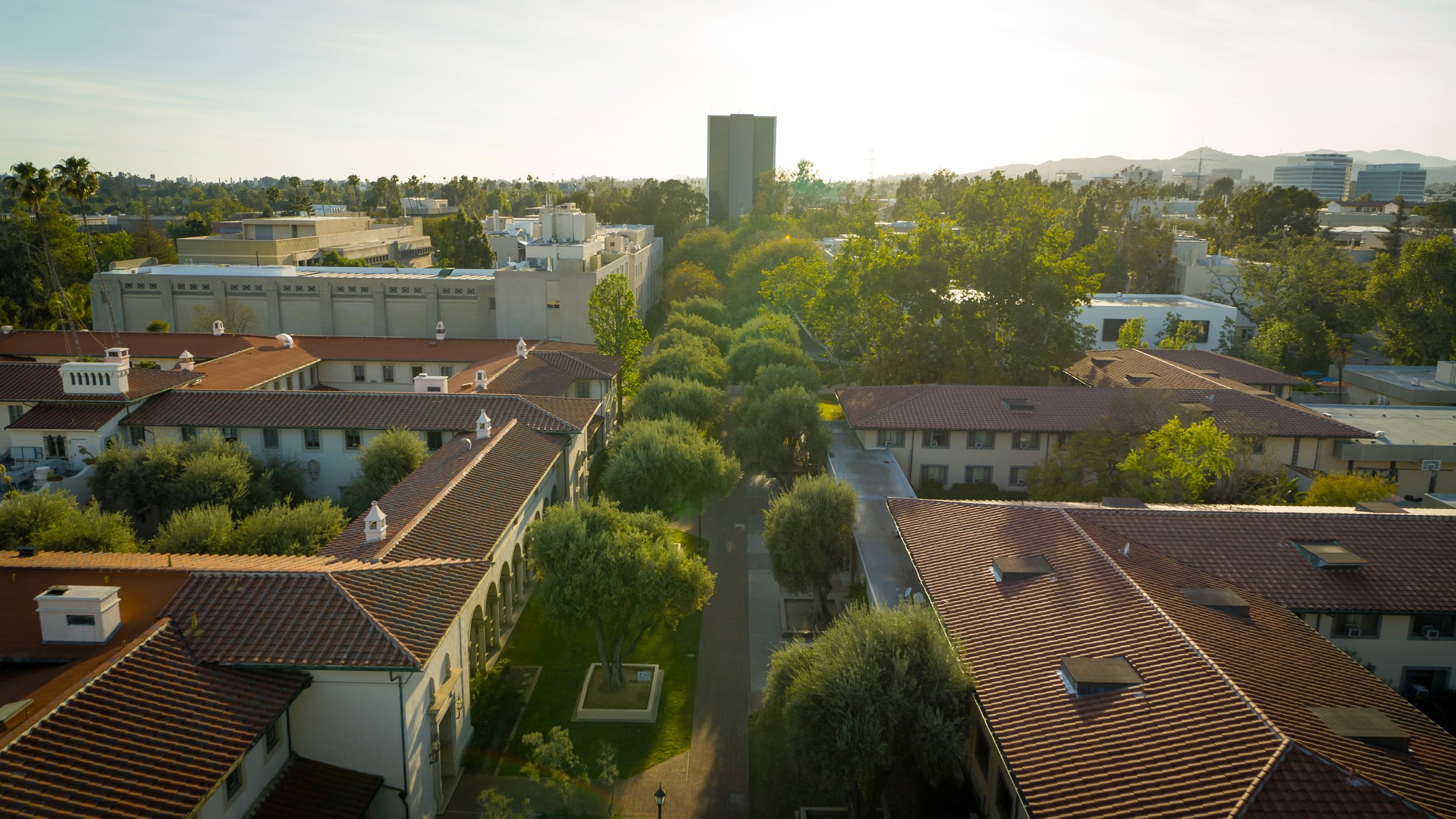
Image Source: Caltech
Results
On the first review of their data in WATS, the team filtered their cost data and saw that 4% of total waste expense was going to overages.
While 4% might not seem significant on its own, in the context of a large campus operation, those dollars add up quickly.
This surfaced a concrete cost-savings opportunity tied to operational efficiency - one the facilities team could act on immediately.
Eliminated manual data transcription
Manual invoice entry and spreadsheet reconciliation were replaced with automated data capture and structured reporting.
Enabled real-time operational visibility
Teams can troubleshoot issues and analyze performance without returning to raw PDFs or disconnected files, and do so based on meaningful and cross-functional metrics.
Improved decision-making and cost control
Overage analysis now identifies issues proactively by site or spend
Audits and investigations are driven by data, not intuition
Scaled reporting across stakeholders
Monthly operational reviews and cost allocation
Quarterly sustainability reporting to leadership councils
Annual sustainability reporting support
