Waste Data Best Practices for Sports Venues
This resource is a practical guide to improving waste data quality at your venue. The focus is on methodology and data collection best practices so your data becomes consistent, credible, and actionable.
WATS aligns with these best practices and automates much of the heavy lifting, especially data acquisition, standardization, and ongoing exception management, so sustainability and operations teams can spend less time chasing spreadsheets and fixing inconsistencies, and more time using reliable data to drive decisions and outcomes (cost, diversion, and credible reporting).
Waste Data Overview
Waste data is notoriously inconsistent—different haulers, different definitions, different reporting cadences, and wildly different levels of detail. The goal isn’t “perfect data on day one.” The goal is to build a repeatable, auditable methodology that steadily improves completeness, comparability, and actionability.
Below is a best-practices approach venues (and other multi-site organizations) can use to get waste data under control, without relying on a single source or assuming haulers will do it for you.

A standardized waste stream framework
Don’t lump dissimilar waste into broad categories (this destroys insights). Maintain definitions so streams stay stable over time.
A core principle: if two materials follow different flows with different stakeholders, they should not live in the same bucket.
Common pitfalls:
Combining food waste + yard waste + field maintenance into “organics”
Treating one-time projects (field reconstruction, major renovations) as “normal operations”
Using “misc.” streams that become a permanent black box
Getting granular data to drive operational efficiency (and cost outcomes)
Granularity unlocks action
“Organics is 60% of our waste” is hard to act on. “Food waste is 40% of our stream and peaks on game days” enables targeted operational interventions.
Food waste = an operational and financial lever
Tracking food waste separately can enable data-backed conversations with F&B teams about:
over-ordering patterns
menu/batch sizing changes
event-type differences (games vs. concerts)
cost savings opportunities (game-over-game / concert-over-concert)
Carbon impact is stream-specific
Diverting food waste has a different carbon impact than diverting yard waste or e-waste. Accurate categorization improves:
carbon accounting quality
credibility of sustainability reporting
prioritization of the highest-impact programs
Prioritize investments based on what’s actually showing up
If e-waste is a meaningful share of your waste stream, that’s a signal to invest in e-waste programming. Stream-level data helps you avoid guessing and focus on real leverage points.
Recommended waste streams for sports venues
Use a consistent set of streams that reflect how waste is generated and managed in arenas/stadiums. Remember, recycling outlets and infrastructure are local, so be sure to consult your local partners. Common streams include:
Possible Recycling Categories:
Aluminum Recycling
Glass Recycling
Metal and Plastic Recycling
Bottles and Cans Recycling
Mixed Paper Recycling (MP)
Mixed Paper + Cardboard Recycling (MP/C)
Cardboard Recycling
Glass/Metal/Plastic Recycling (GMP)
Mixed Recycling/Single Stream Recycling (GMP/MP/C)
Plastic Film Recycling
PET Plastic Recycling
Scrap Metal Recycling
Styrofoam Recycling
Textile Recycling
Trash
Landfill/Incineration/Trash
Construction & Demolition Trash
Construction & Demolition Recycling
C&D Recycling
Mixed Debris
Wood
E-Waste Recycling
E-Waste Recycling
Lamps Recycling
Batteries recycling
Diversion
Liquid Diversion
Donation
Food Donation
Non-Food Donation
Textile Donation
Shoe Donation
Furniture Donation
Material Reuse
Field/Covering Reuse
Kegs
Material Reuse
Office Reuse
Reusable Cups
Reused Pallets
Organics Recycling
Compost/Organic Recycling
Compostable serviceware
Yard Trimming Recycling
Inert/Green Materials
Pallets
Pallet Recycling
Pallet Reuse
Oil Recycling
Used Cooking Oil Recycling
Grease Interceptor Pumping
Peer learning (patterns we’re seeing across venues)
Waste data is not easy to manage; this is a reality, and you are not alone in the struggle. It is important to know this and talk to your peers.
Most venues share similar challenges:
hauler data limitations
inconsistent categorization
limited internal capacity to manage data at the right granularity
Common approaches include:
one-time audits with extrapolation
monthly reporting from haulers
hybrid models (audits + monthly validation)
The goal is to move toward a shared foundation so comparisons become possible later (arena vs. arena, stadium vs. stadium).


How to collect + report consistently
Keep frequency and granularity consistent
Aim for the same cadence month-over-month. Monthly is a strong baseline; per-event is best-in-class when feasible pending your local relationships.
Avoid annual rollups as your primary reporting
Annual rollups hide seasonality, spikes, and anomalies. Monthly (or per-event) reporting helps you:
detect measurement gaps
identify operational drivers
validate vendor/hauler reporting patterns
Work with haulers more effectively
Haulers often provide receipts with totals only. Ask for:
stream-level weight/volume breakdowns
consistent reporting periods
clear mapping between containers/compactors and waste streams
If stream-level data isn’t available today, a next-best step is documenting what’s missing and piloting one stream (e.g., food waste) with better measurement. Use this to understand the steps to create a repeatable process for the next stream.
Increase credibility with lightweight verification
Self-reported data is only as reliable as the process behind it. Even simple verification improves trust:
periodic spot-checks against hauler bills
documenting assumptions (conversion factors, extrapolation methods)
noting changes to streams, vendors, or scope
Waste requires a multi-source data acquisition strategy
Strong waste programs treat data acquisition as an intake pipeline, not one channel. The most reliable organizations pull from multiple inputs and reconcile them over time.
Common inputs include:
Invoices / bills (required! these are useful for service-level context, cost, vendor metadata, even when weights are imperfect)
Hauler reports / portal exports (often better for monthly tonnage by stream, when available)
Vendor spreadsheets / internal logs (especially when operations teams track exceptions, swaps, or special pulls)
Audit findings (spot audits and waste sorts can dramatically improve confidence in composition and stream definitions)
Best practice is to capture what exists today, document gaps, and improve upstream availability over time.
Where WATS fits: WATS follows this best practice by automating intake across available sources (instead of relying on one perfect feed), so teams aren’t stuck doing manual “data chasing” every month.



Treat data quality as a managed workflow (not a one-time cleanup)
Waste data quality improves when teams create lightweight checks and documentation habits:
Completeness checks: what sites/streams/vendors are missing this month?
Reasonableness checks: do weights/costs swing unexpectedly compared to recent months?
Scope-change tracking: did the site add a new stream, change a hauler, add a compactor, or change container service?
Assumption logging: are any conversions, extrapolations, or audit-derived estimates being used?
This turns “messy data” into “managed data”, and makes reporting defensible.
Where WATS fits: WATS automates anomaly flagging and helps teams track coverage gaps and irregular changes so issues surface early (not at year-end).
Make the data operational, tie granularity to decisions
Waste data is only valuable if it changes what teams do.
Examples of “decision-grade” questions:
Which streams are growing fastest, and why?
Are costs rising because of service levels, contamination, or vendor pricing?
Do certain event types produce different waste profiles?
A practical illustration:
“Organics is 60% of our waste” is not very actionable.
“Food waste is 40% of our total stream and spikes on game days” enables targeted operational changes and better F&B planning.

Hardware can help, but methodology matters more
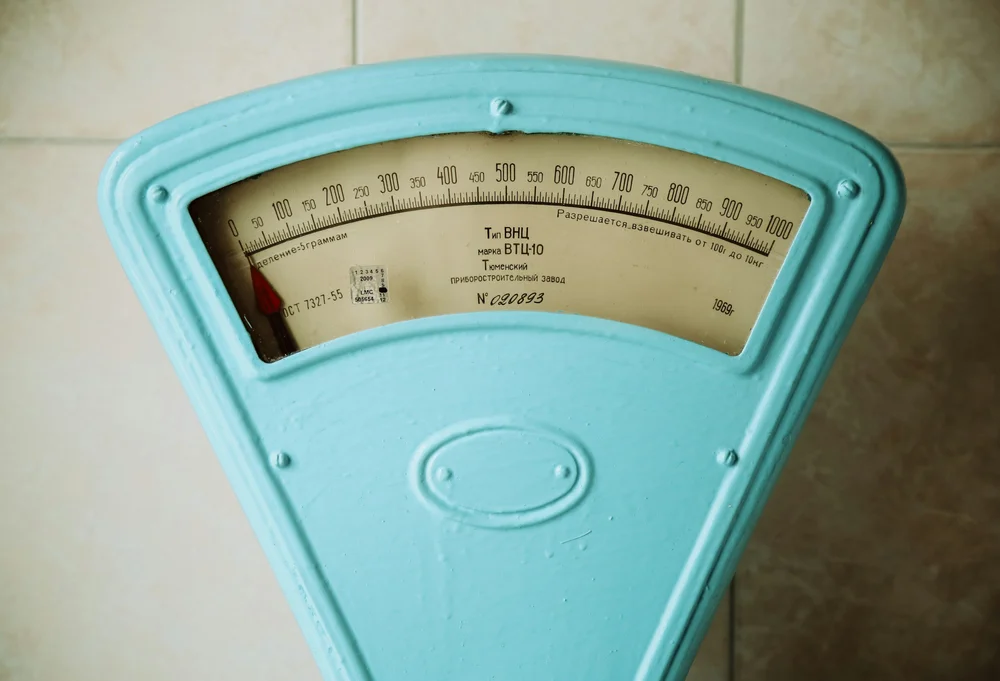
Some sites have scales, compactors with reporting, or other measurement tooling. Many don’t. Either way:
Hardware doesn’t solve inconsistent taxonomy, cadence, or documentation.
The best programs use whatever measurement exists, then standardize + verify so the outputs can be trusted across sites.
In other words: you can have great measurement tools and still have unusable data without a consistent method.
Summary: what “good” looks like
Best-in-class waste data programs:
Ingest from multiple sources
Standardize into a consistent taxonomy
Report on a repeatable cadence
Manage data quality as an ongoing workflow
Preserve the distinctions that drive action (especially around organics/food waste and one-time projects)
Use data to drive cost, contract leverage, diversion, and credible reporting
WATS aligns with these best practices and automates much of the heavy lifting, especially acquisition, standardization, and ongoing exception management, so teams can focus on decisions and outcomes, not data wrangling.